custompatchmaker

Blog

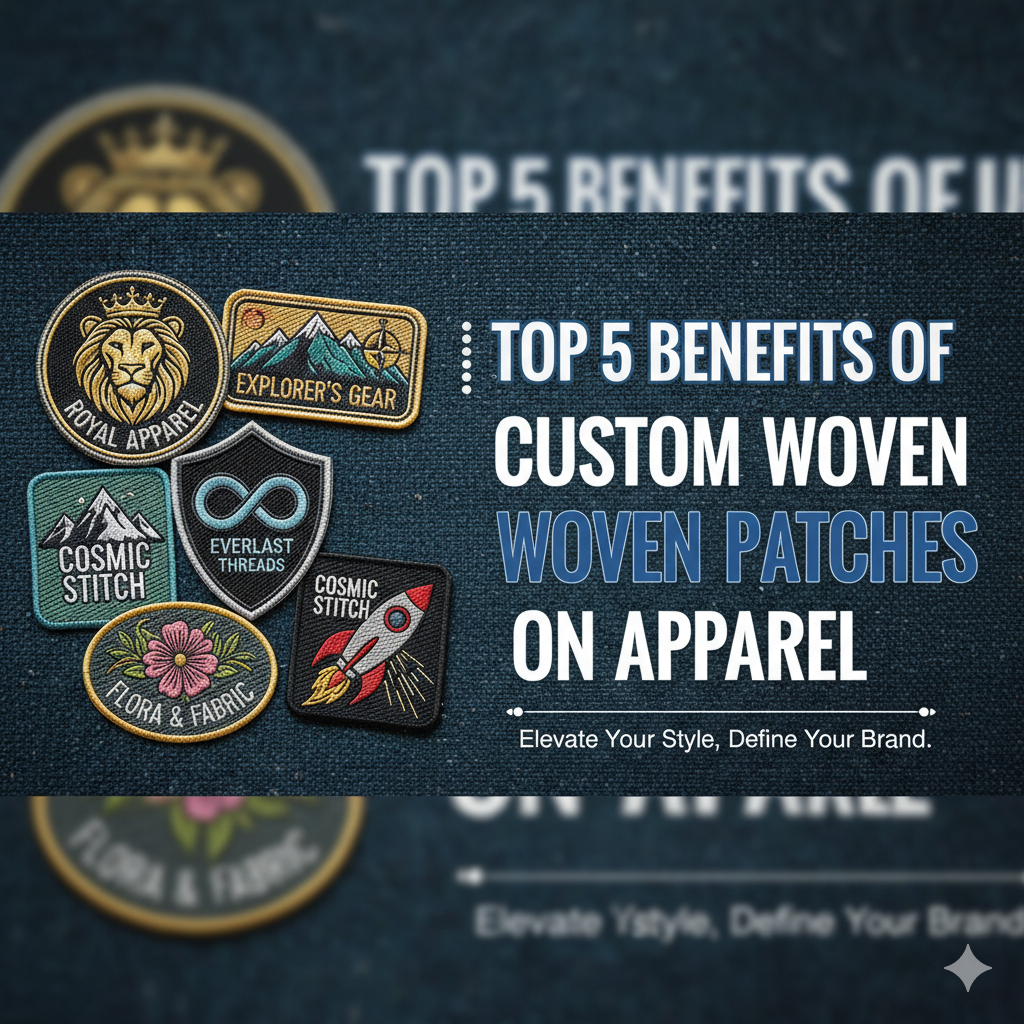
Top 5 Benefits of Using Custom Woven Patches on Apparel

Introduction: Why Consider Custom Woven Patches for Apparel?

Have you ever wondered how small details can transform ordinary clothing into something remarkable? That’s exactly what custom woven patches do. They can turn a plain jacket, vest, or bag into a statement piece while promoting a brand or team identity.

But choosing the right patches and using them effectively can feel overwhelming. With so many materials, designs, and applications, it’s easy to get lost. In this post, I’ll act as your embroidery expert and walk you through the top five benefits of using custom woven label patches on apparel. I’ll also share tips and tricks to make the most of your patches.


1. Enhance Brand Recognition with Custom Woven Patches

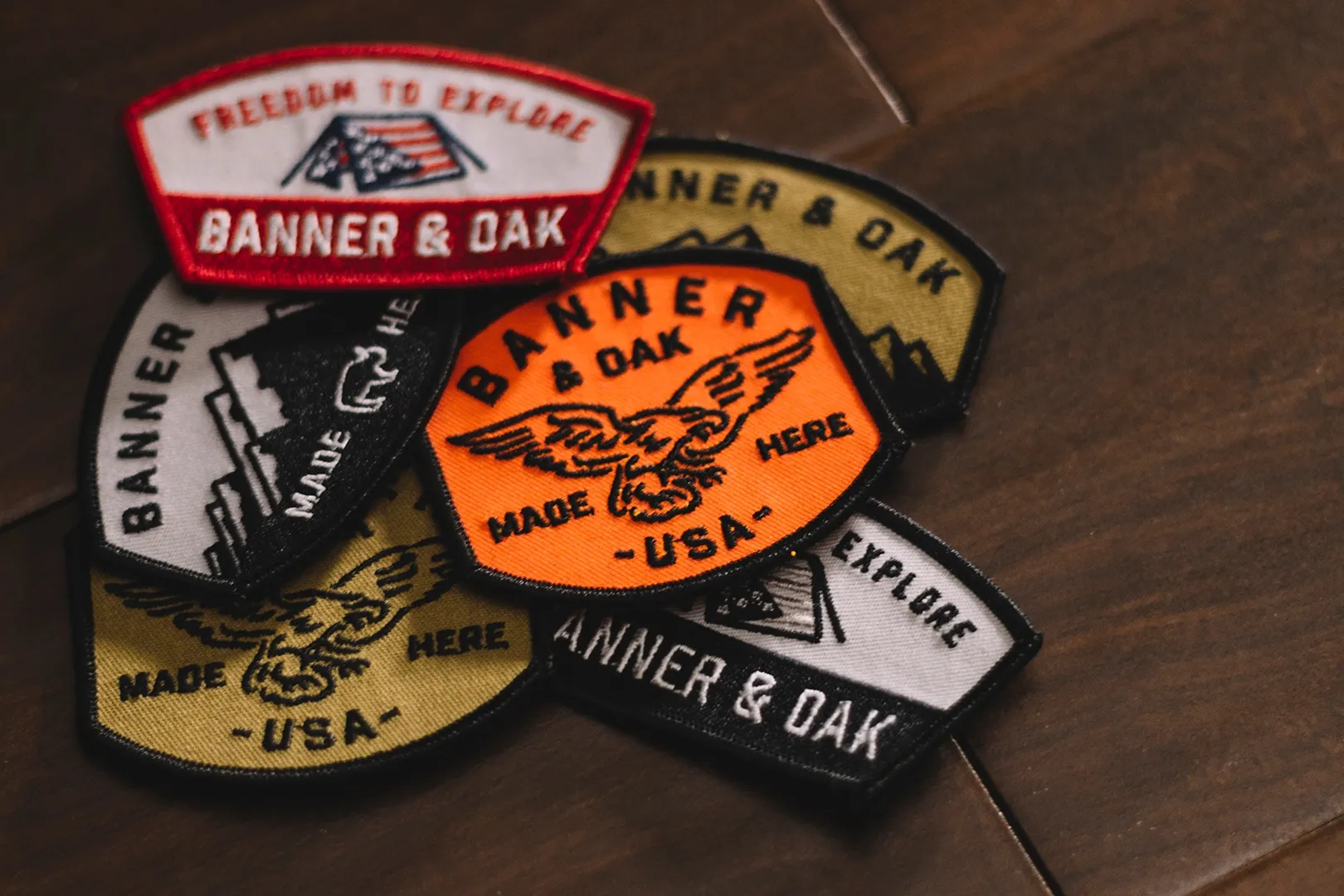
One of the main reasons businesses, clubs, and teams choose custom woven patches is to increase brand visibility. Your logo or emblem becomes a permanent part of the apparel, which helps people remember your brand.

Unlike printed designs that fade over time, woven patches maintain their vibrant colors and details. When placed on jackets, vests, or bags, your brand is seen every time someone wears the apparel.

Custom patch maker also allow you to control the design, color, and …
Continue Reading -->

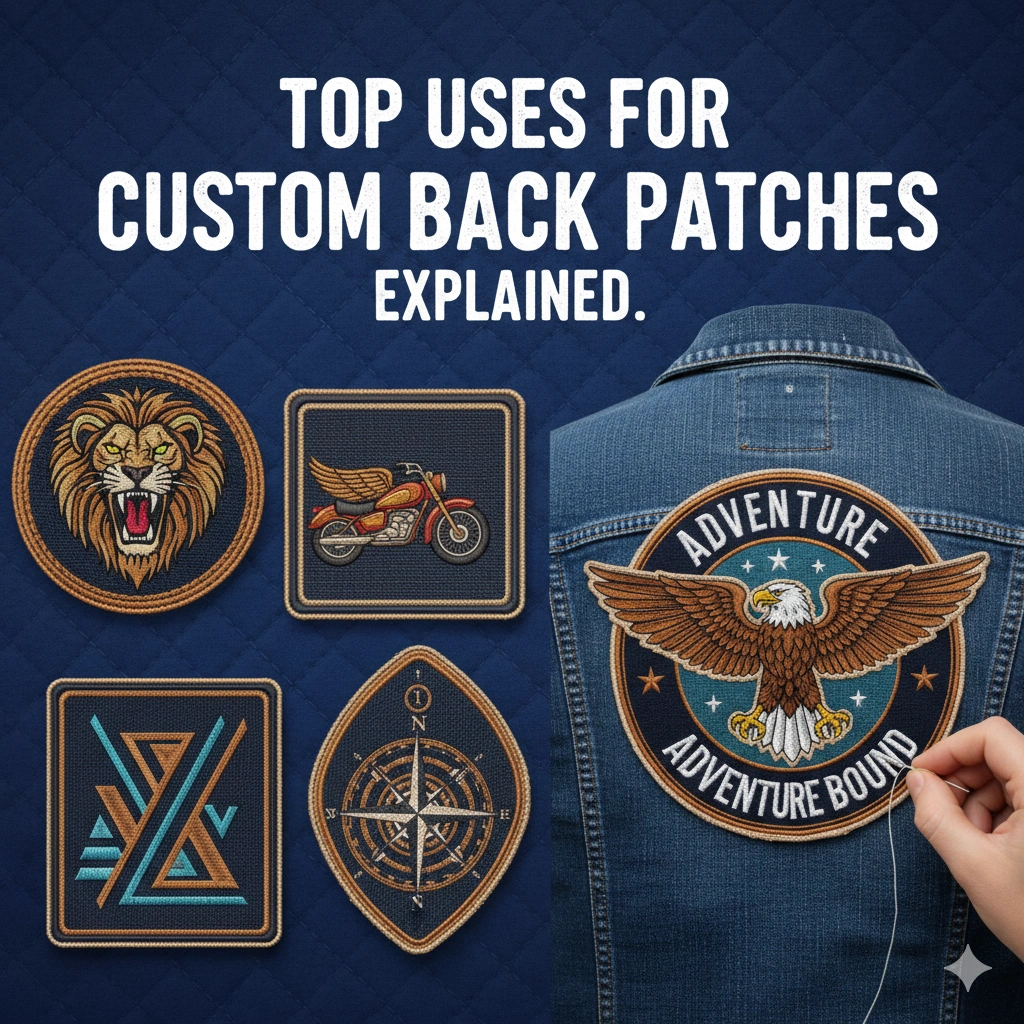
Top Uses for Custom Back Patches Explained

Have you ever noticed how a single large patch on the back of a jacket can tell an entire story? That’s the power of custom back patches bold, symbolic, and instantly recognizable. Over the years, they’ve evolved from simple emblems into statements of identity used across various industries and communities.

From motorcycle clubs that value loyalty and unity to high-end fashion houses using them for branding, back patches hold meaning far beyond design. Let’s explore the most significant and creative ways they’re used today.


Motorcycle Clubs and the Legacy of Brotherhood

Motorcycle club back patches are perhaps the most iconic and traditional use of this art form. For bikers, these patches are more than decoration they symbolize loyalty, freedom, and belonging.

Each element on a biker’s vest carries meaning. The top rocker displays the club name, the center emblem shows the logo, and the bottom rocker often identifies the chapter or region. This structure tells everyone exactly who they are and where they belong.

Symbolism and Identity in Biker Patches

Motorcycle clubs treat patches with deep respect. They mark membership, hierarchy, and even years of dedication. Many patches are earned through commitment, not purchased.

These designs are embroidered to last …

Continue Reading -->
custom patch design mistakes

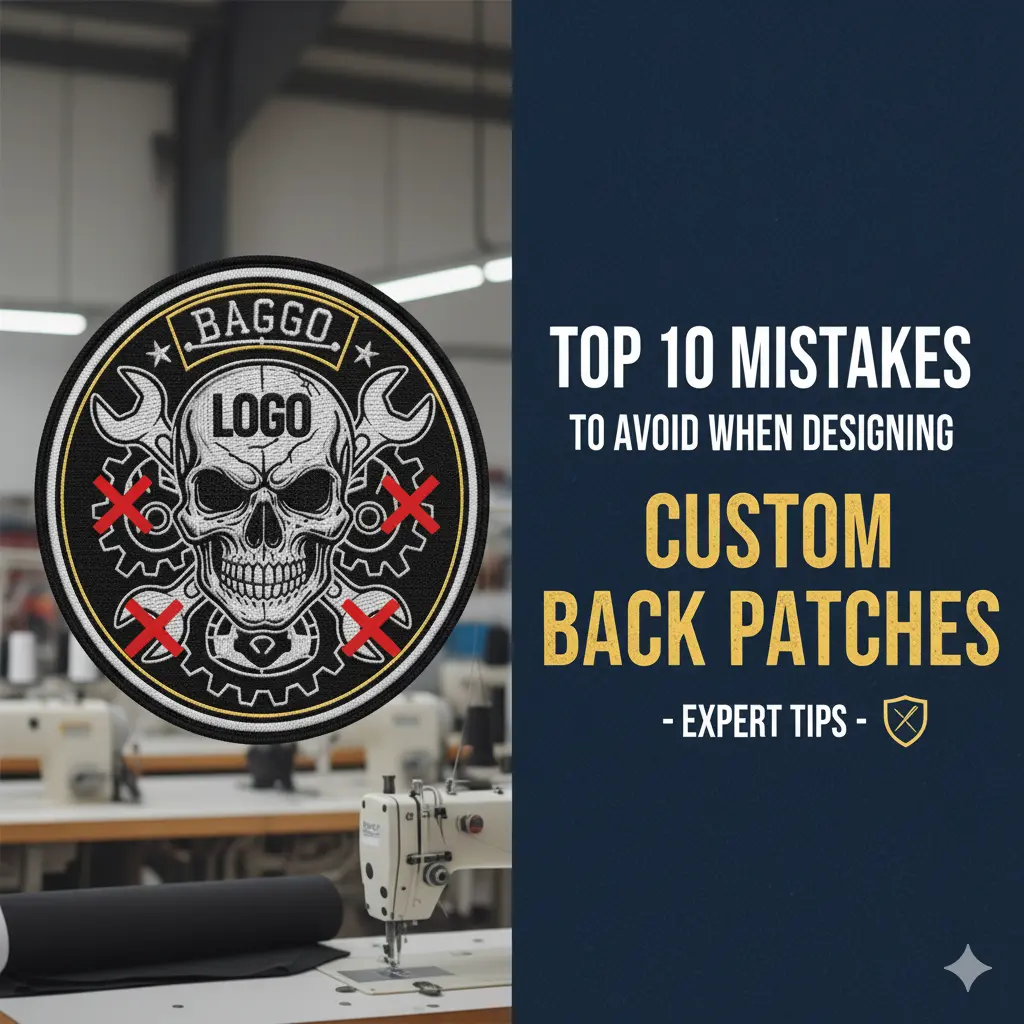
Top 10 Mistakes to Avoid When Designing Custom Back Patches – Expert Tips

Have you ever spent hours designing your dream back patch only to realize it didn’t turn out as expected? Whether it’s for your jacket, vest, or uniform, designing custom back patches can be both exciting and challenging. Many first-time designers make small mistakes that lead to big disappointments, such as poor readability, wrong sizing, or mismatched colors.

how to design a back patch

As an embroidery expert, I’ve seen these issues countless times. This guide will help you understand the top ten mistakes to avoid when creating custom back patches, so your final design looks professional, durable, and exactly how you imagined it.


What Are Custom Back Patches

Before diving into the mistakes, it’s worth understanding what are back patches actually are. These are large embroidered or woven pieces typically placed on the back of jackets, vests, or denim apparel. They represent identity, pride, or creativity and are popular among motorcycle clubs, fashion brands, sports teams, and businesses.

They can be made from materials like embroidery thread, woven fabric, PVC, or leather. Embroidered patches add texture, woven patches give sharp detail, and PVC patches offer weather resistance. Choosing the right one depends on your goal—style, durability, or cost.


1. Choosing the Wrong Size

One of …

Continue Reading -->

How to Make Custom Patches for Clothing

Why Custom Patches Are Popular

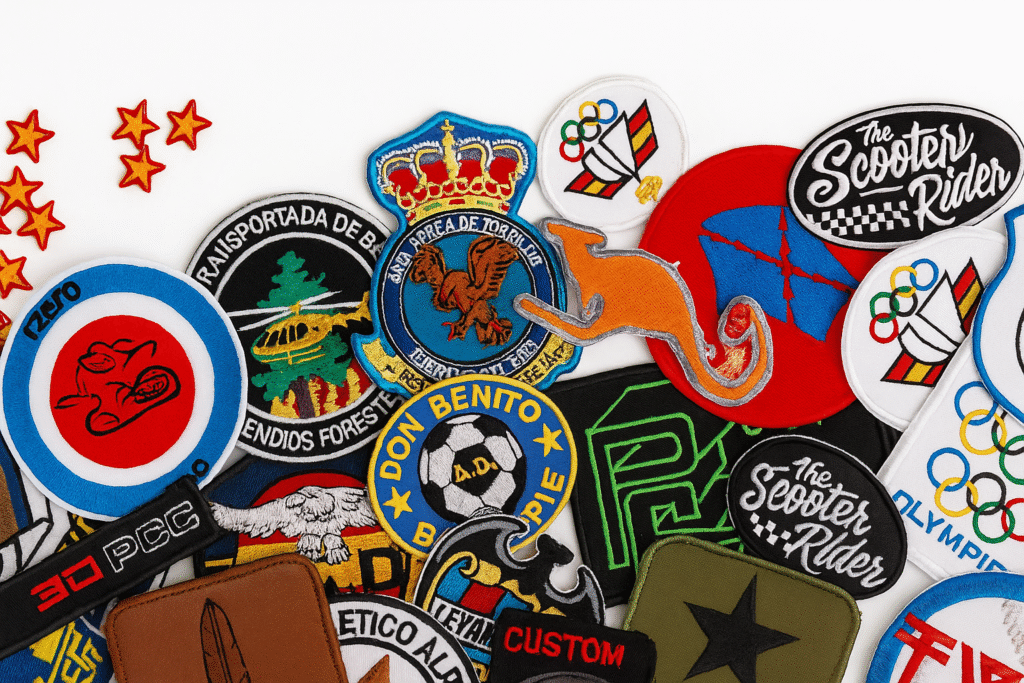
Patches are more than just decorations they tell stories, promote brands, and show style. People use embroidered patches, fabric patches, and iron-on patches on jackets, jeans, caps, and uniforms. They last longer than prints and can be removed or swapped easily.

But the main question is: how to make custom patches for clothing that actually last?


Common Challenges in Making Custom Patches

Making patches isn’t always easy. Many beginners struggle with:

  • Picking the right fabric backing
  • Choosing between iron-on patches vs sew-on patches
  • Making designs look good when embroidered
  • Keeping patches durable after washing

These problems are real, but they’re easy to solve with the right steps.


Step 1: Plan Your Patch Design

Design is the first and most important step. When creating a patch, think about:

  • Shape – Round, square, or custom.
  • Size – Large patches need bold lines, small patches need simple designs.
  • Colors – High-contrast embroidery thread works best.
  • Style – Classic embroidered look, printed patches, or woven patches.

Step 2: Pick Materials

Good patches need strong materials. Here’s what you’ll need:

  • Fabric – Felt or twill for the base.
  • Thread – Polyester embroidery thread (resists fading).
  • Backing – Choose
…
Continue Reading -->

Recent Post

Get Connected

Categories

Grab your best Discount Today!

Lorem ipsum dolor sit amet consectetur adipiscing elit dolor
// --- Dynamically fix WooCommerce gallery height --- document.addEventListener('DOMContentLoaded', function() { var galleries = document.querySelectorAll('.woocommerce-product-gallery__wrapper'); for (var g = 0; g < galleries.length; g++) { (function(gallery) { function adjustHeight() { var images = gallery.querySelectorAll('img'); var maxHeight = 0; for (var i = 0; i < images.length; i++) { var img = images[i]; if (img.complete) { if (img.naturalHeight > maxHeight) { maxHeight = img.naturalHeight; } } else { img.addEventListener('load', adjustHeight); } } gallery.style.height = maxHeight + 'px'; } adjustHeight(); window.addEventListener('resize', adjustHeight); })(galleries[g]); } });
Scroll to Top